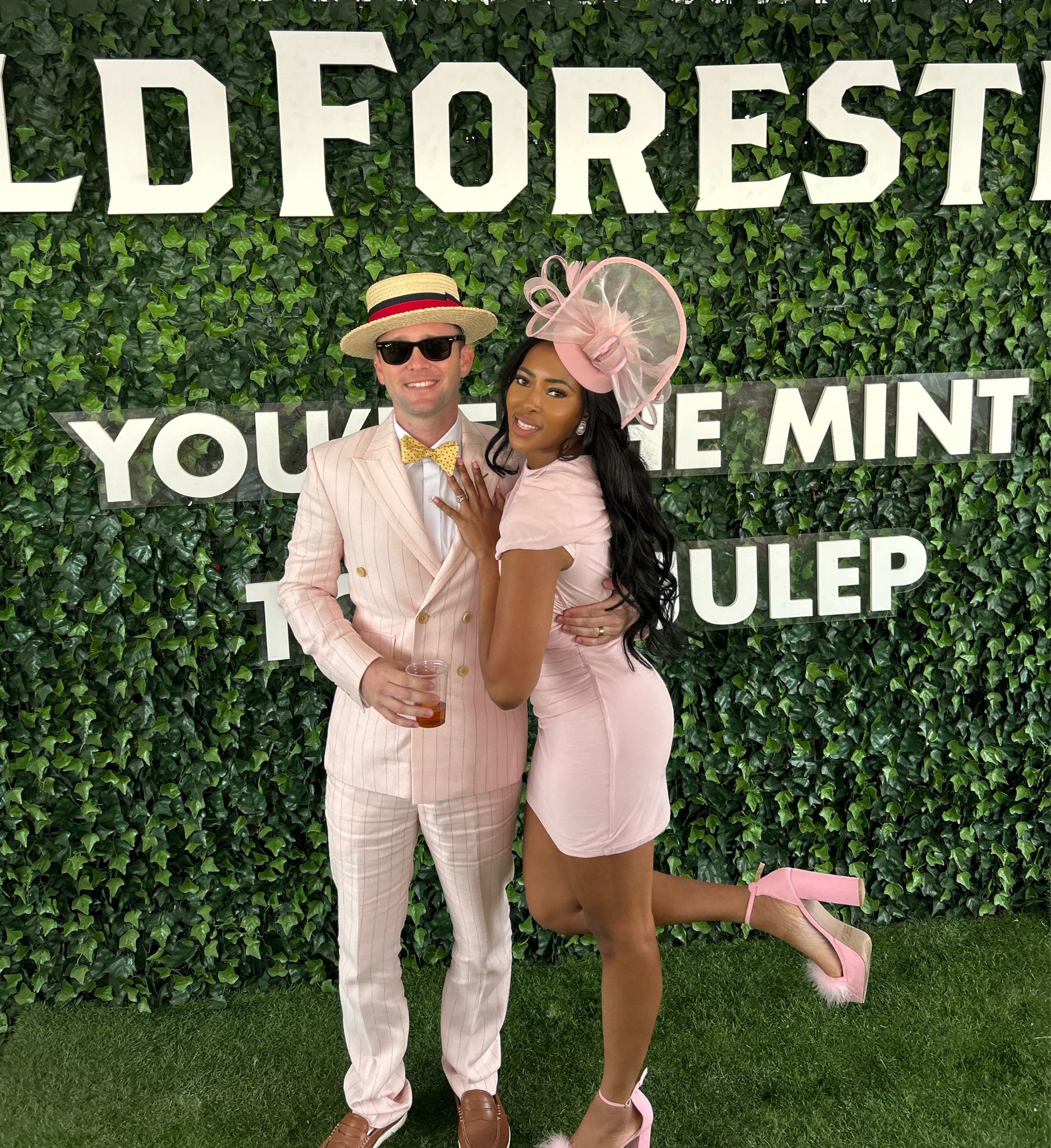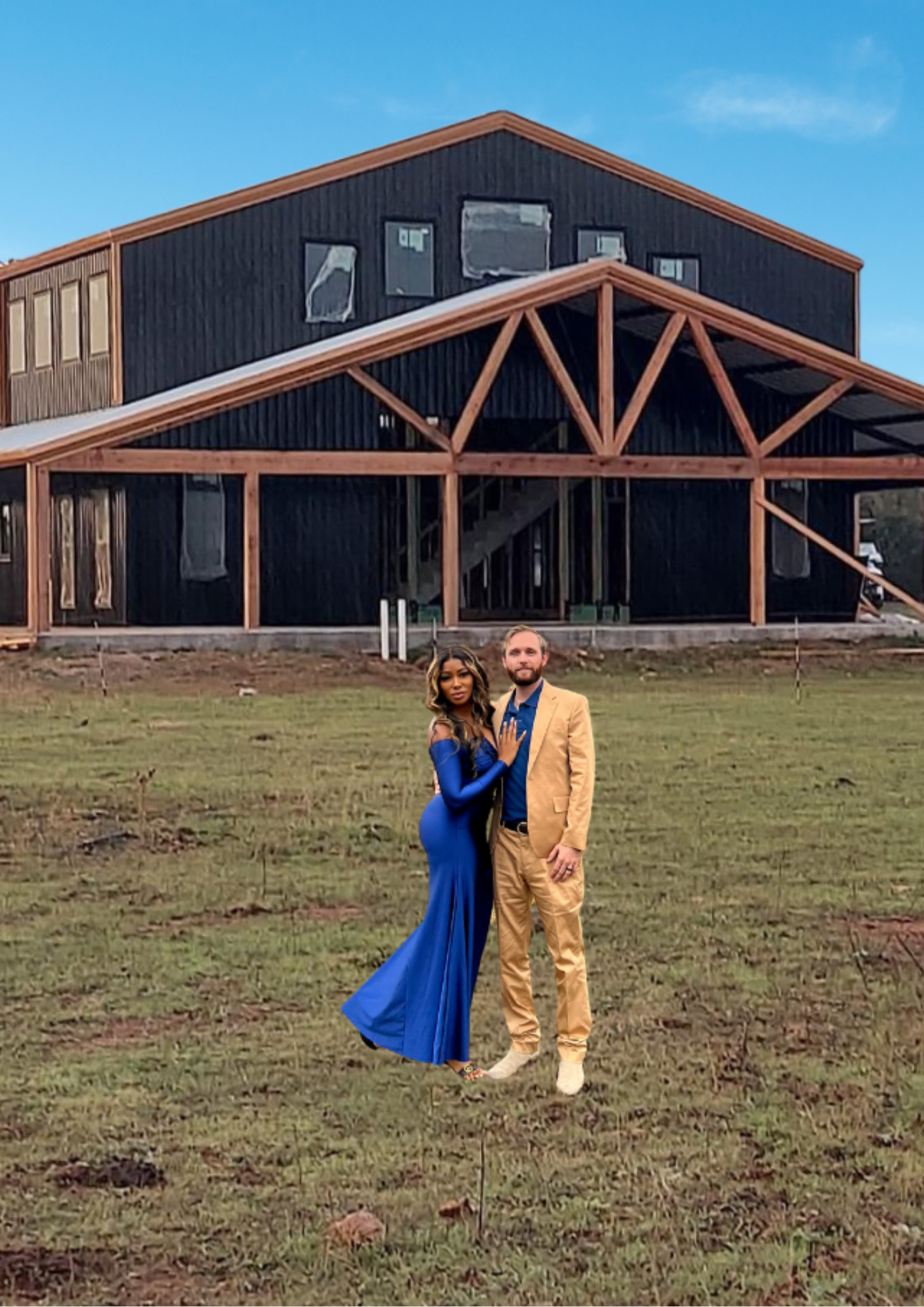
The first brand deal we ever landed paid us $150 and a free candle. We thought we'd made it. Looking back, what that deal actually gave us was something far more valuable than the money: proof that it was possible. That a brand — a real one, with a marketing budget and a decision-maker — looked at what we were building in Austin, Texas and said "yes, we want to be part of that." From there, nine more deals followed in the next four months, and each one taught us something the previous one didn't.
Stop Waiting for Follower Count Permission
The single most paralyzing lie in creator culture is that follower count is the gatekeeper to brand deals. It isn't. What brands actually care about — especially in the UGC space — is content quality, niche relevance, and engagement rate. We had 3,200 followers when we landed our first paid deal. We had 4,800 when we landed our fifth. Several of our highest-paying partnerships came before we had 10,000 followers on any platform. What we did have was a clear niche (lifestyle couple building a barndominium in Central Texas), consistent posting, and content that felt real. That combination is worth more than 100,000 disengaged followers.
A 4% engagement rate on 5,000 followers means 200 genuinely interested people see and interact with every post. Many micro-influencer campaigns outperform mega-influencer campaigns precisely because that trust is real. Lead with your engagement rate, not your follower count, in every pitch.
Build a Target List of 20 Brands Before You Pitch One
Before we sent a single pitch email, we spent two weeks building a spreadsheet. Column one: brand name. Column two: contact email (usually found on their website under "press" or "partnerships," or on LinkedIn). Column three: why we were a genuine fit — not a generic reason, a specific one. What product had we actually used? What specific content could we create that aligned with their current campaigns? Column four: notes on their recent social activity so we could reference it in the pitch. This research phase felt slow and unsexy. It's also the reason our pitch-to-response rate was over 40% when most creators see under 10%. Brands can feel when you've done your homework, and they respond to it.
The Pitch Formula That Actually Gets Replies
We tested probably a dozen different pitch formats before landing on one that consistently worked. Here's the structure: Subject line — specific, not clever. "[Your Brand] + Ronnie & Tucker | UGC Partnership" outperforms "Collaboration Inquiry" every single time. Opening — one sentence about who you are and where you're based. Austin, Texas is a genuine differentiator in our pitches; brands love the lifestyle associations that come with it. Value — what specific deliverable are you offering and why does your audience make it relevant? Not "I think my followers would love your product," but "I create lifestyle content for an Austin-based couple audience that skews 25-40, and your product fits naturally into the home renovation content our audience engages with most." The ask — specific, low-friction. Not "let me know if you'd like to work together" but "I'd love to create three UGC photos and one short-form video for your spring campaign — would a quick 15-minute call this week work?"
"Generic pitches get generic responses. The brands that wrote back the fastest were the ones where we had clearly spent time on their website before typing a single word."
Your First Deal Will Be Underpaid — And That's Fine
We've never met a creator who didn't undercharge on their first deal. We charged $150 for a deliverable that we should have charged $400 for. That's okay. Your first deal isn't about the money — it's about the case study. It's about having something to point to when the next brand asks "have you done this before?" It's about learning the workflow: the brief, the content creation, the revision round, the final delivery, the relationship. Every deal after the first one is negotiated from a position of experience. Do the first one, do it brilliantly, get the testimonial, move on.
Follow Up — Once, Professionally, Seven Days Later
Sixty percent of our accepted pitches came from the follow-up email, not the original pitch. Marketing inboxes are flooded. Decision-makers are busy. Your pitch getting no response does not mean no — it usually means not yet seen. Seven days after sending the original pitch, send one follow-up. Keep it three sentences: a brief reminder of who you are, a one-line recap of the deliverable you proposed, and a low-pressure close ("completely understand if the timing isn't right — just wanted to make sure this didn't get lost"). Then move on. One follow-up, no more.
The Deal You Don't Take Is As Important As the One You Do
Around deal seven, we turned down a brand for the first time. It was a significant amount of money — more than we'd made from any single deal at that point. But the product conflicted with something we'd publicly said we valued, and accepting it would have felt dishonest to the people following us. We said no. Three weeks later, one of our audience members who worked at a brand we genuinely loved reached out because they'd seen us decline the other deal publicly. That deal paid more and led to a four-month ambassador relationship. Protect your credibility. The audience you're building is built on trust, and trust, once broken, is nearly impossible to rebuild.
What Deal 11 Looked Like
By the time we were negotiating our eleventh brand deal — a home goods brand we'd been eyeing for six months — we had a rate card, a media kit, a portfolio of past work, and enough experience to negotiate confidently. The outreach was a warm introduction through a brand we'd already worked with. The deal closed in four days. The whole arc from "no followers, no deals" to "warm inbounds from brands we love" took about fourteen months. None of it was luck. All of it was the compounding result of showing up consistently, pitching intentionally, and building something in Austin, Texas that brands genuinely wanted to be associated with.